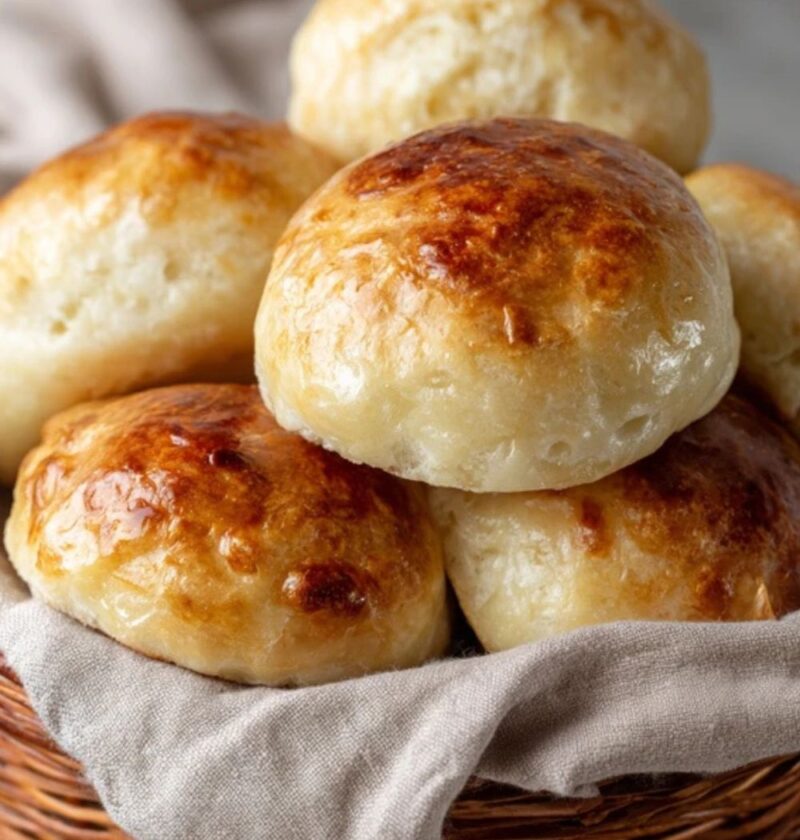
This easy stottie cake recipe makes a dense, chewy round bread from North East England. Made with strong bread flour, fast-action yeast, and olive oil, it bakes into a crusty loaf with a soft, heavy crumb. Serves 8 and is ready in about 2 hours.
I first tried stottie cake on a trip to Newcastle and fell in love with how different it is from regular bread. It is now one of my favourite things to bake on a weekend afternoon.
What Is a Stottie Cake?
A stottie cake is a large, flat, round bread from North East England. It is sometimes called a stotty cake. The name comes from the word “stot,” which means to bounce.
Bakers made the loaves so dense that if you dropped one on the floor, it would bounce back up.
Stottie bread has deep roots in working-class kitchens across Newcastle, Sunderland, and the wider North East. Miners and shipyard workers needed cheap, filling food, and home bakers would use leftover bread dough shaped into thick rounds. These were baked on the floor of a cooling coal oven, giving the bread its signature dense crumb and firm crust.
Despite the name “cake,” a stottie is a savoury bread with no sweetness at all. The traditional way to eat one is split in half and filled with ham and pease pudding.
Stottie Cake Ingredients
- 800g strong white bread flour
- 15g salt
- 7g sugar
- 2 packets (11g each) of fast-action dried yeast
- 500ml lukewarm water
- 35g olive oil
How to Make Stottie Cake
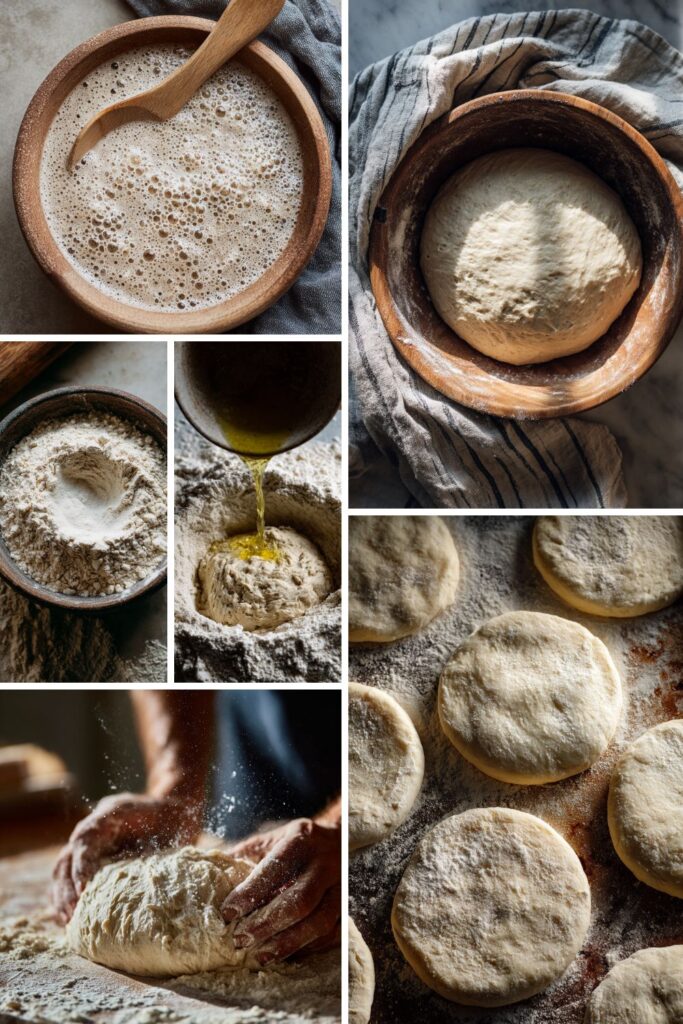
- Activate the yeast: In a large bowl, mix the lukewarm water, sugar, and yeast together. Cover and leave in a warm place for about 15 minutes until a thick froth forms on the surface.
- Combine the dry ingredients: In a separate large bowl, sift the strong bread flour and salt together. Make a well in the centre of the flour.
- Mix the dough: Pour the frothy yeast mixture and olive oil into the well. Using your hand or a stand mixer with a dough hook, mix until a rough ball of dough forms.
- Knead well: Turn the dough out onto a floured surface and knead for 10–15 minutes until smooth, shiny, and elastic. If using a stand mixer, knead on medium speed for about 10 minutes.
- First rise: Place the dough in a lightly oiled bowl. Cover with a tea towel or cling film and leave to rise in a warm spot for 1 hour, or until doubled in size.
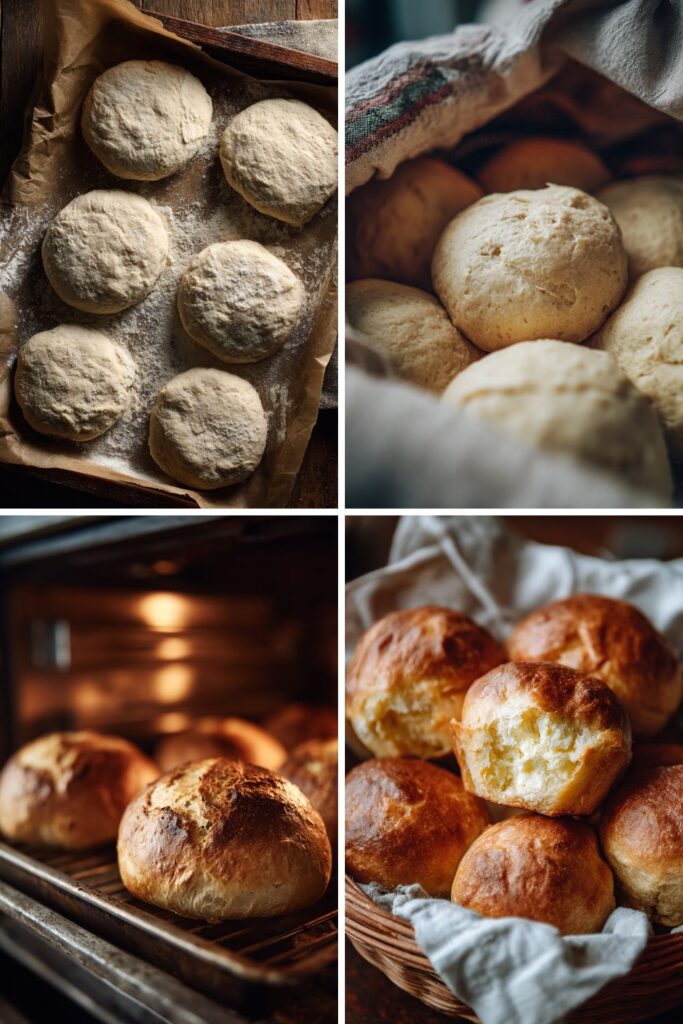
- Shape the stottie: Punch down the dough to release the air. Divide into two equal pieces and roll each into a flat, round disc about 2.5cm thick. Place on a floured baking tray.
- Second prove: Prick the top of each stottie cake twice with a fork. Cover with a tea towel and leave to prove in a warm place for 30 minutes.
- Bake: Preheat your oven to 220°C (200°C Fan / Gas Mark 7). Bake for 15–20 minutes until the tops are golden brown and the loaves sound hollow when tapped on the bottom.
- Cool: Transfer the stottie cakes to a wire rack and leave to cool completely before slicing.
What Makes a Good Stottie Cake?
- Knead for the full time: A proper stottie cake should be dense and chewy, not light and airy. This texture comes from thorough kneading, which develops the gluten. Do not cut the kneading time short.
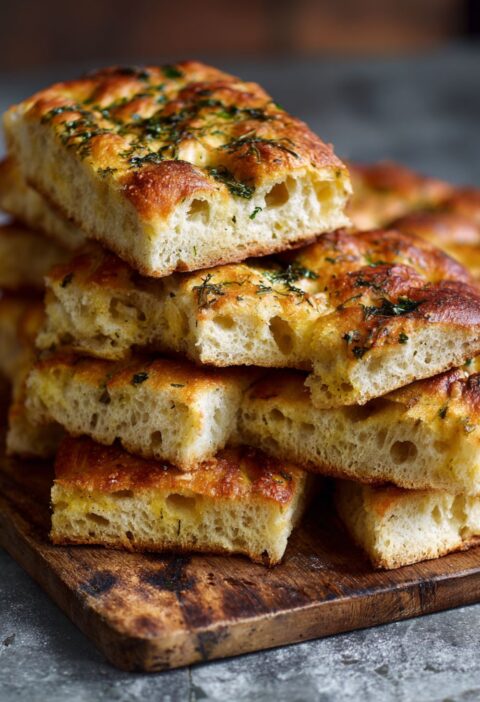
- Use strong bread flour: Strong white bread flour has a higher protein content than plain flour. This extra protein builds the gluten structure needed for a chewy, robust loaf. If you enjoy baking bread, try Hairy Bikers focaccia next.
- Check your yeast is alive: The frothing step is a crucial test. If the water, sugar, and yeast mixture does not froth after 15 minutes, the yeast is old or dead. Start again with fresh yeast.
- Start with a hot oven: Traditionally, stotties were baked on the floor of a cooling coal oven. A hot oven of 220°C gives the best crust. For a softer result, try baking at 220°C for 10 minutes, then turning the oven off and leaving the stottie inside for another 30 minutes.
- Add white pepper for a traditional twist: Some old Geordie recipes include half a teaspoon of ground white pepper in the dough. It adds a very subtle warmth without changing the flavour much.
What Do You Eat With a Stottie?
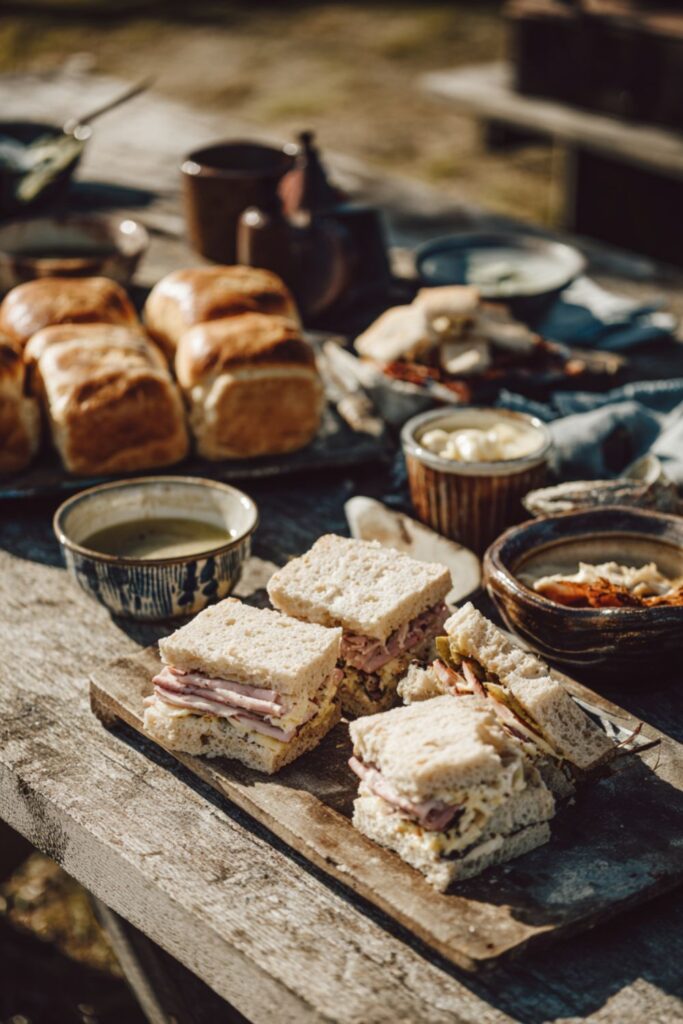
The classic stottie filling is ham and pease pudding, a combination loved across the North East. Split the stottie in half horizontally, spread pease pudding on one side, layer thick slices of ham on top, and press the two halves together. Cut into four triangles for the traditional serving shape.
Stottie cake also makes a brilliant base for a full breakfast sandwich with bacon, sausage, and eggs. Other popular fillings include cheese and pickle, corned beef with beetroot, or simply a thick spread of salted butter. For something lighter, pair it with sausage rolls at a picnic.
This bread is also perfect alongside a bowl of soup. Try it with pea and ham soup or leek and potato soup for a proper North East lunch.
How Should You Store Leftover Stottie?
Keep a stottie cake in a paper bag or bread bin at room temperature for 2–3 days. It is best enjoyed fresh, so try to eat it within a day or two of baking. To keep the crust soft, place the warm stottie in a plastic bag while it cools.
To freeze, wrap the whole or sliced stottie tightly in cling film, then place it in a freezer bag. It will keep for up to 3 months. Thaw at room temperature and refresh in a warm oven for a few minutes. Stale stottie works well in a bread and butter pudding.
Nutrition Facts
- Serving Size: 1/8 of loaf
- Calories: 330 kcal
- Total Fat: 5g
- Saturated Fat: 1g
- Cholesterol: 0mg
- Sodium: 540mg
- Total Carbohydrate: 61g
- Dietary Fibre: 2g
- Sugars: 1g
- Protein: 10g
Frequently Asked Questions
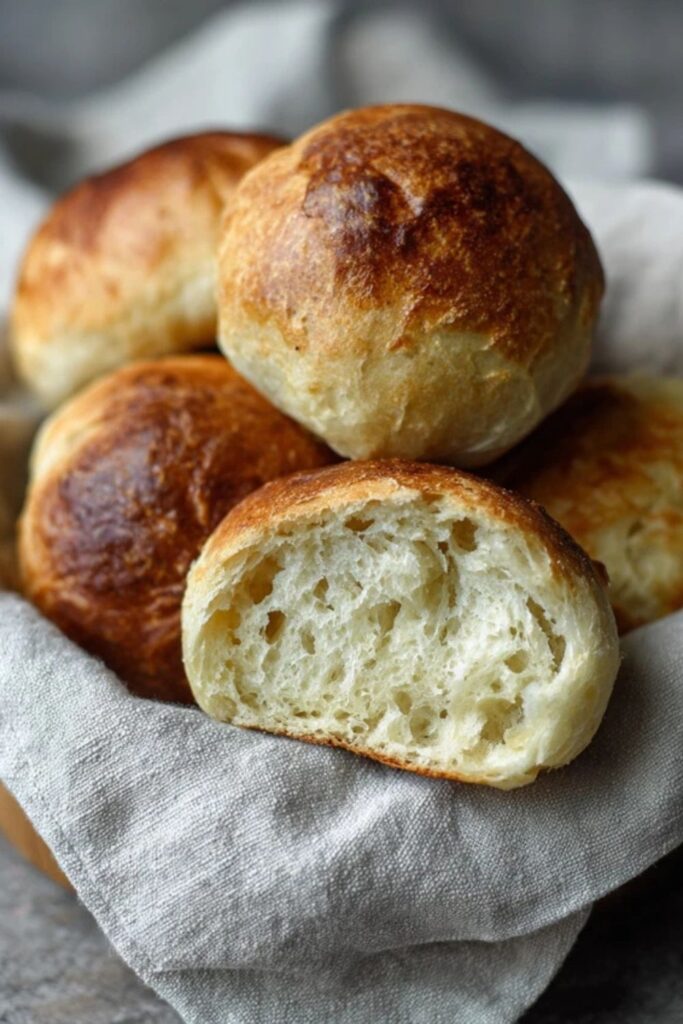
What is a stottie cake? A stottie cake is a dense, flat, round bread from North East England. It is made with strong bread flour and baked until firm on the outside and soft inside, traditionally filled with ham and pease pudding.
What is the difference between a stottie and normal bread? A stottie is much denser and heavier than a regular loaf. It is shaped into a flat disc rather than risen tall, giving it a tight crumb that holds up well to thick fillings.
How does this stottie compare to a bakery version? Most bakery stotties are baked low and slow on the oven floor, which gives a very flat, dense result. This home recipe uses a hotter oven at 220°C for a quicker bake, but still produces the same chewy texture and firm crust.
What if I don’t have strong white bread flour? You can use plain flour in a pinch, but the stottie will not be as chewy or robust. Strong flour has more protein, which develops the gluten needed for the proper dense texture.
Can I make stottie cake dough in a bread machine? Yes, add the wet ingredients first, then the dry ingredients, and run the dough cycle. Once done, remove the dough, shape it into discs, and bake as normal in the oven.
You May Also Like:
- Hairy Bikers Cheese Scones Recipe
- Hairy Bikers Yorkshire Pudding Recipe
- Hairy Bikers Panacalty Recipe
Hairy Bikers Stottie Cake Recipe
Description
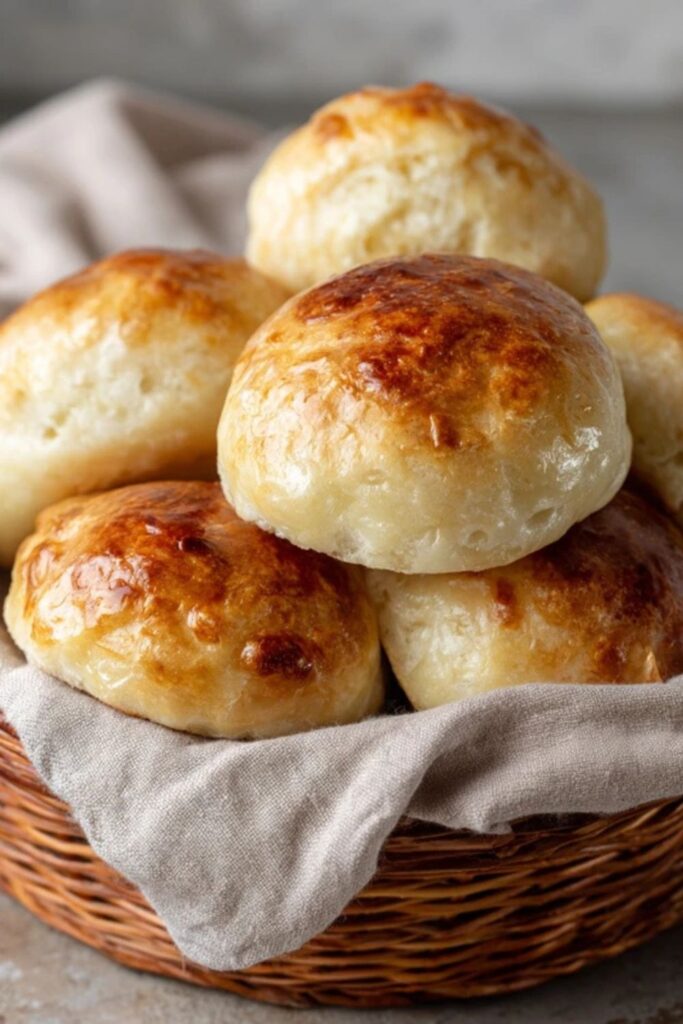
This easy stottie cake recipe makes a dense, chewy round bread from North East England. Made with strong bread flour, fast-action yeast, and olive oil, it bakes into a crusty loaf with a soft crumb. Serves 8 and is ready in about 2 hours.
Ingredients
Instructions
- Activate the yeast: Mix the lukewarm water, sugar, and yeast in a large bowl. Cover and leave in a warm place for 15 minutes until a thick froth forms.
- Combine dry ingredients: Sift the strong bread flour and salt into a separate bowl. Make a well in the centre.
- Mix the dough: Pour the yeast mixture and olive oil into the well. Mix until a rough ball of dough forms.
- Knead well: Turn out onto a floured surface and knead for 10–15 minutes until smooth, shiny, and elastic.
- First rise: Place in a lightly oiled bowl, cover with cling film or a tea towel, and rise for 1 hour until doubled.
- Shape the stottie: Punch down the dough, divide into two pieces, and roll each into a flat disc about 2.5cm thick. Place on a floured baking tray.
- Second prove: Prick the tops twice with a fork, cover, and leave to prove for 30 minutes.
- Bake: Preheat oven to 220°C (200°C Fan / Gas Mark 7). Bake for 15–20 minutes until golden and hollow-sounding when tapped.
- Cool: Transfer to a wire rack and leave to cool completely before slicing.